Always Here for You. Wellness & Emergency Care: 24/7, 365 Days A Year!
- General Practice Appointments: Monday - Friday: 8:00am - 8:00pm
- General Practice Appointments: Saturday: 8:00am - 5:00pm
- Emergencies: Open 24 Hours/7 Days per week
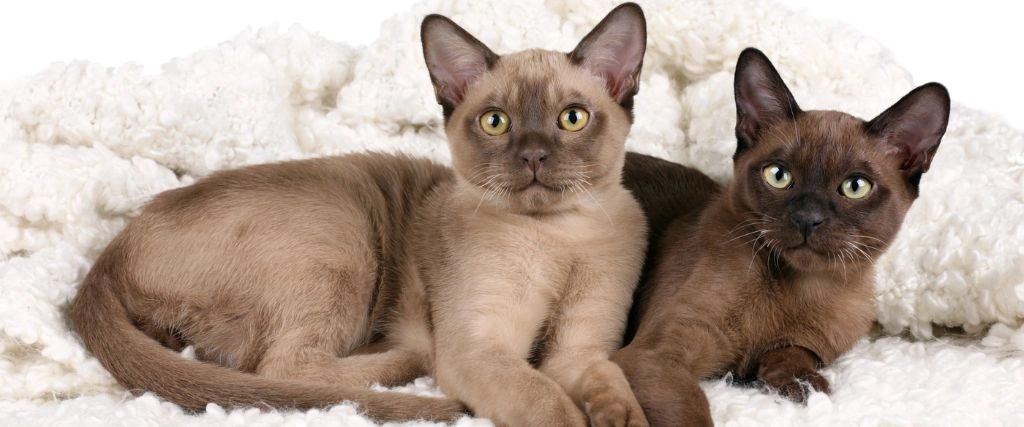
If you’re lucky enough to share your life with a Burmese cat, you already know you’ve got something special. Are they the type who meows back when you talk to them? Or maybe they still play with the zest of a kitten? Ah, the joys of having a Burmese!
Burmese cats are no wallflowers; they’re the life of the party and maybe even the ones organizing it. Their curiosity knows no bounds, and they’ll eagerly snoop around any new situation. Got a puzzle? They’ll solve it. Heard a noise? They’ll investigate it. Planning to take over the world? They’ll want in on it—and honestly, they’d probably be great co-conspirators. They’re fabulous with kids and other pets, usually handle their grooming like pros, and even welcome strangers with open paws.
Now, let’s be real—no cat is without her quirks. Your Burmese may have an insatiable desire to be the center of your universe. Seriously, you might find her photobombing your Zoom calls or pawing at your book while you’re trying to read. These cats are so social that being alone for too long can make them anxious. Yeah, they wear their hearts on their furry sleeves, and that’s why we adore them!
Ready for a quick history lesson that’s actually interesting? Our beloved Burmese cats can trace their lineage back to a unique walnut-brown kitty named Wong Mau, who arrived in San Francisco all the way from Burma in the 1930s. Breeders paired her with Siamese males, and voila, the Burmese breed was born!
Ever picked up a Burmese and thought, “Wow, you’re heavier than you look?” You’re not imagining things! These cats are like little tanks packed with muscle, but you’d never know it thanks to their luxurious, close-lying coats. They’re often described as “bricks wrapped in silk,” and once you’ve cuddled one, you’ll know exactly why.
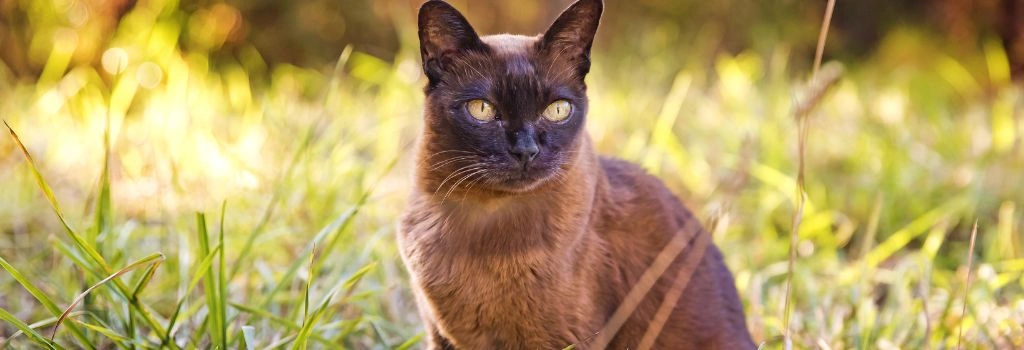
So, there you have it—the Burmese cat in all its charming, quirky glory. If you’ve got one, you’re likely already smitten. And if you’re considering adding one to your family, prepare for a lot of love, laughter, and yes, a new boss of the household. But hey, with a cat this awesome, who wouldn’t mind being bossed around a bit?
First on our list is a heart condition called Endocardial Fibroelastosis. Now, that’s a mouthful, right? But here’s what it means: this disease makes the inner lining of the heart thick, affecting the valves and potentially leading to a heart murmur. In the worst-case scenario, this can cause congestive heart failure. While medications can prolong a kitten’s life, the prognosis isn’t great. Because it’s genetic, you should steer clear of breeding cats related to the affected kittens. So, yes, regular heart check-ups for your kitten are non-negotiable!
Speaking of heart matters, Cardiomyopathy is another disease that can sneak up on your fur baby. It affects the heart muscle and can either be genetic or secondary to other diseases. You might have heard terms like Hypertrophic Cardiomyopathy (HCM) or Dilated Cardiomyopathy (DCM). Good news! A proper diet can stave off DCM—so kudos to quality cat food manufacturers for adding essential amino acids like taurine. The tricky part? Cats are masters at hiding symptoms. The earliest signs often include quick breathing, tiredness, and a loss of appetite. Spotting this early is crucial, so those bi-annual vet visits are a must.
Here’s one to watch out for: feline aortic thromboembolism, or FATE for short. It’s a condition where blood clots block normal blood flow, most commonly affecting the hind legs. If this happens, it’s an emergency, folks! Prompt medical care is essential, and cats who survive usually make a full recovery. So, if your Burmese has heart issues, ask your vet about medications to lower clot risks. Don’t dilly-dally if your cat shows sudden signs of leg paralysis; rush to emergency care!
Burmese cats can be susceptible to several eye issues, including the painful and urgent condition known as Glaucoma. It can rapidly lead to blindness if not treated pronto. The signs may include watery eyes, a bluish cornea, and redness. If you notice any of these symptoms, get your cat emergency care straight away. Regular eye screenings are your best defense.
Another eye issue to be aware of is Eyelid Agenesis. Born with an improperly formed upper eyelid, affected cats suffer from constant irritation. Surgical eyelid reconstruction is usually the best treatment option for them. Post-surgery, most cats can look forward to a lifetime of normal vision.
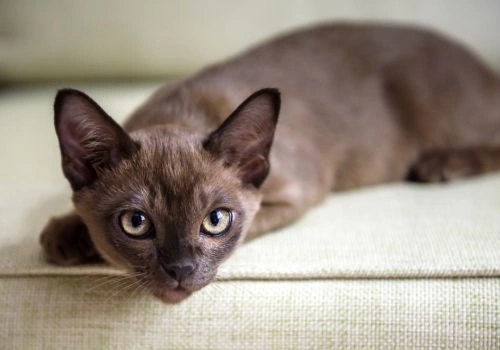
Corneal Sequestration is a condition where a hard, dark patch forms on the cornea, usually due to chronic inflammation. Early treatment may involve topical medications, but severe cases may need preventive surgery.
Diabetes can strike any cat, regardless of breed, but some have a genetic predisposition that makes them more susceptible. However, lifestyle factors like a sedentary indoor life and poor diet can also trigger diabetes. That’s right, our adorable window gazers might be at risk if we don’t watch their weight and make sure they exercise. And let’s not forget chronic pancreatitis, a painful condition that could lead to diabetes by damaging insulin-producing cells in the pancreas.
Unexpected weight loss despite a hearty appetite, excessive thirst, and frequent trips to the litter box. The good news is that many cats can manage their diabetes with a high-protein, low-carb diet and weight loss, sometimes avoiding the need for insulin shots. So keep an eye out, especially as your cat gets older, and remember—exercise and a balanced diet are your best preventive measures!
Age is just a number, they say, but when it comes to kidney function, those numbers can start to matter. Renal failure is quite common in older cats, but young ones aren’t entirely off the hook. Whether it’s due to exposure to toxins or inherited kidney defects, renal failure is no joke. It’s a severe, progressive disease that can greatly impact your feline’s quality of life.
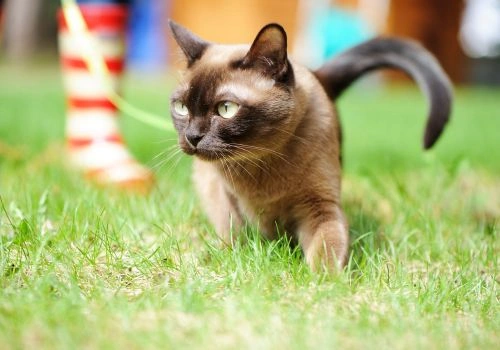
Early and regular exams are a game-changer. Special diets and medications can help manage symptoms and potentially extend your cat’s life. No one wants to hear the words “renal failure,” but catching it early can make all the difference.
Ever find your cat doing its business outside the litter box and think, “How rude!”? Hold your horses—your cat might be sending out an SOS. Feline Lower Urinary Tract Diseases (FLUTD) is a collective term that describes various urinary issues, from bladder stones to urinary tract infections. If you spot signs like straining in the litter box or blood in the urine, don’t delay; seek urgent care immediately, especially for male cats who can get dangerously blocked.
To catch these signs early, regular vet visits for urinalysis and imaging can be a lifesaver. Treatments range from special diets and medications to surgery in severe cases. So next time your cat skips the litter box, remember: it might not be a behavioral issue but a cry for help.
If you’ve ever watched your cat leap and marveled at its agility, you have the stifle (or knee joint) to thank. But what happens when a part of this intricate structure, the patella, decides to take a detour? You get patellar luxation. While some cats show no early signs, as the condition advances, it can lead to lameness. Surgery might be required if symptoms worsen.
Here’s a pro tip: Consider getting an x-ray around the time of spaying or neutering to check for any signs. Early detection can make treatment more effective, so keep those knees in check!
Imagine feeling sensations so intensely that even a gentle touch sends your skin rippling. That’s the world of a cat with hyperesthesia syndrome. These cats can experience discomfort from minor triggers and may resort to self-mutilation to cope. If your cat seems oversensitive, tests can rule out other similar conditions. Some medications can alleviate these extreme sensations, but ongoing monitoring is a must.
Does your cat seem to be losing hair for no reason? It might be dealing with psychogenic alopecia, a condition where cats over-groom due to stress or anxiety. Just like some people chew their nails when stressed, cats might lick themselves bald. However, rule out allergies and parasites first, as they can show similar symptoms.
Ever heard of microscopic mites taking up residence in your cat’s hair follicles? Welcome to the world of demodicosis. Some breeds, like Burmese, are more prone to this, but the immune system usually keeps these critters in check. However, if your cat starts to scratch excessively and develops red lesions, it’s time to check for demodicosis. Skin scrape tests can confirm the diagnosis, followed by topical treatments or medicated baths to kill the mites. Sometimes antibiotics may be required for secondary infections.
If you have questions and you’d like to reach out to us, you can call us directly at (561) 786-1100, or you can email us at customerservice@cvcboca.com. Don’t forget to follow us on social media Facebook, Instagram.