Always Here for You. Wellness & Emergency Care: 24/7, 365 Days A Year!
- General Practice Appointments: Monday - Friday: 8:00am - 8:00pm
- General Practice Appointments: Saturday: 8:00am - 5:00pm
- Emergencies: Open 24 Hours/7 Days per week
When it comes to the health and well-being of our cats, we want to make sure they are receiving the highest quality of care. That’s why more and more pet owners are turning to integrative veterinary medicine for their cats.
Integrative veterinary medicine is the combination of traditional veterinary medicine and holistic or natural practices to provide the most comprehensive care possible. It takes into account their physical, mental, emotional, and spiritual well-being. At Calusa Veterinary Center, we provide the highest quality integrative medicine services for cats, and we’re here to help you understand exactly what that means.
According to the Merck Veterinary Manual, integrative medicine is a combination of traditional veterinary medicine and holistic or alternative treatments. This approach to pet care seeks to treat the whole animal, not just the symptoms of a particular disease or disorder. It focuses on treating the underlying causes and preventing disease rather than just managing symptoms.
Examples of integrative medicine for cats include acupuncture, chiropractic, traditional Chinese veterinary medicine (TCVM), nutritional therapies, homeopathy, massage, herbal remedies, and laser therapy. These modalities can be used in conjunction with conventional medical treatments to provide a more comprehensive approach to cat healthcare.
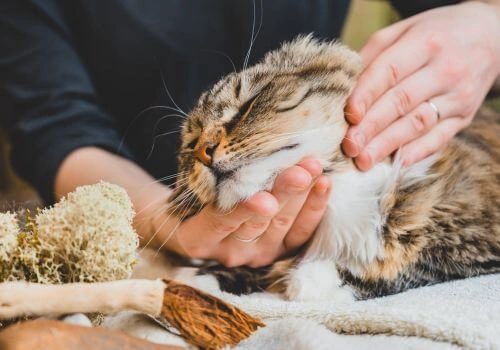
Holistic veterinary care and integrative veterinary care are often used interchangeably, but they’re not the same. Holistic medicine focuses on a cat’s overall well-being, considering factors beyond physical symptoms. This approach often involves using alternative therapies such as homeopathics, herbs, flower essences, and tinctures. A cat’s diet plays a significant role in holistic care, helping to organically treat and prevent many health issues.
Integrative medicine combines conventional medicine with alternative treatments to create a comprehensive care plan that addresses both the symptoms and underlying causes of a cat’s health problems. It integrates techniques like acupuncture, massage, and aromatherapy with traditional medications and surgeries, giving a broader spectrum of options for treatment.
Integrative veterinary care combines the best practices used in conventional Western medicine with natural complementary therapies such as acupuncture, traditional Chinese medicine, herbal remedies, massage, and other holistic treatments more commonly used in Eastern medicine. The goal of integrative care is to provide optimal health and quality of life for pets by considering their physical, emotional, and environmental factors.
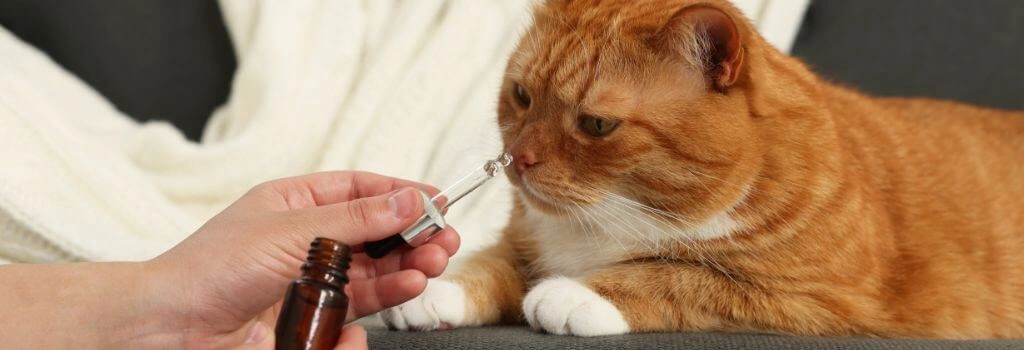
Integrative veterinary care brings several advantages, including:
Integrative veterinary care is particularly valuable for pet owners because it offers more personalized care that addresses the root causes of health issues rather than simply treating symptoms. This approach combines medications and medical procedures with alternative therapies such as:
At Calusa Veterinary Center our experienced team works closely with you to develop an individualized plan tailored to your cat’s needs while exploring all available treatment options to optimize their health outcomes.
Integrative veterinary medicine can be used to treat a variety of illnesses in cats, from chronic conditions like arthritis and diabetes to more acute issues such as allergies and cancer. Here are some of the conditions that may respond well to an integrative approach:
By combining traditional veterinary practices with alternative therapies, integrative medicine offers a more comprehensive approach to cat healthcare that seeks to treat the underlying causes of illness while minimizing side effects from medications or surgery. It is an invaluable tool for pet owners who want the best care possible for their beloved felines
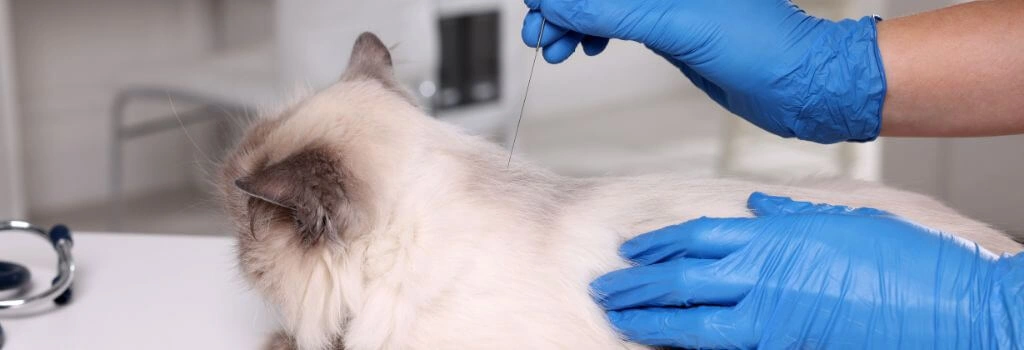
While integrative veterinary medicine can offer many benefits, there are some conditions where an integrative approach is not recommended. It is important to consult with a veterinarian before attempting any alternative treatments for your cat, as they can provide the best advice and weigh the benefits and risks of each treatment option.
For example, while some pet owners may be interested in natural treatments for feline hyperthyroidism, such as switching to special pet foods or vitamins, these approaches are generally not considered effective by veterinarians. Many natural options haven’t been rigorously tested and could even be harmful to the cat. In such cases, it is crucial to rely on established conventional treatment methods such as daily medication, surgery, or radioactive iodine therapy, which have proven records of success with minimal side effects.
It is also important to note that relying solely on alternative treatments or using them in cases where they aren’t proven effective can be problematic. In some instances, alternative treatments for cats have not been well-studied, leading to a lack of proof of efficacy. Products that are labeled as “supplements” are not approved by the FDA and are therefore not held to the same standards as true medications. Being sure to read labels carefully and research which companies are reputable is even more important when using supplements. Additionally, using alternative treatments could lead pet owners to overlook or delay conventional treatments, which could potentially worsen the condition or cause more harm to their pets.
Integrative medicine offers a comprehensive, holistic approach to improving a cat’s overall health and well-being. While it presents some challenges, such as limited evidence for certain therapies and potential costs, combining conventional and integrative medicine can enhance the overall effectiveness of treatment and contribute to an improved quality of life for the cat.
The main benefits of integrative veterinary care include a more comprehensive understanding of your pet’s health, access to a wider range of treatments, preventive care, and reduced side effects from traditional medications. Additionally, this approach encourages pet owners to become active participants in their cat’s healthcare by providing them with more options for treatment.
However, there are also some drawbacks associated with integrative veterinary care. These include limited scientific evidence for certain therapies, cost (as some services may not be covered by insurance), accessibility (not all veterinarians offer integrative medicine), time-consuming treatments (which may require regular visits), and the risk of unregulated practices.
Integrative veterinary medicine offers a more comprehensive approach to pet care, combining traditional treatments with alternative therapies. It can give cats the best possible chance of recovery while minimizing side effects from medications or surgery.
At Calusa Veterinary Center, your pet is our priority. If you have any questions, don’t hesitate to call our team at (561) 786-1100, or you can email us at customerservice@cvcboca.com. Our staff would love to talk with you!
Book An AppointmentDon’t forget to follow us on social media: Facebook, Instagram.