Always Here for You. Wellness & Emergency Care: 24/7, 365 Days A Year!
- General Practice Appointments: Monday - Friday: 8:00am - 8:00pm
- General Practice Appointments: Saturday: 8:00am - 5:00pm
- Emergencies: Open 24 Hours/7 Days per week
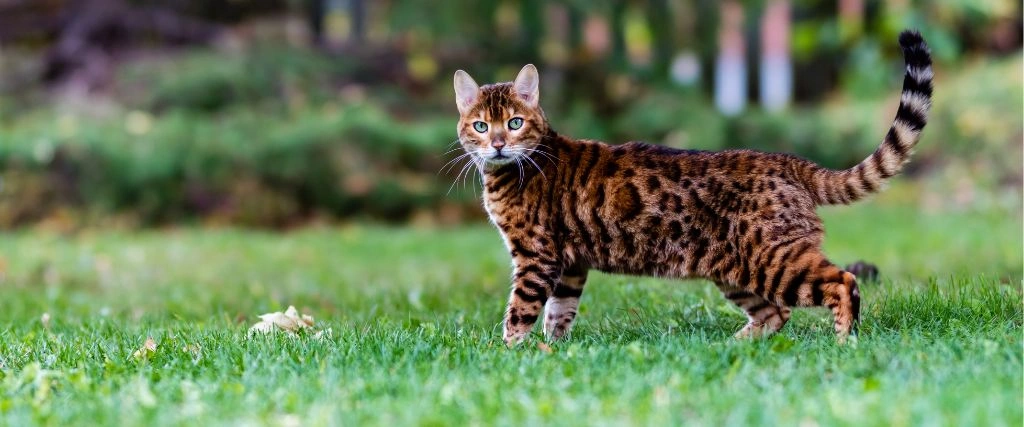
Oh, the Bengal cat! If you’re a proud Bengal owner, you already know just how unique this breed is. Your feline companion doesn’t just share your home; they understand your moods, investigate all your activities, and—let’s be honest—runs your life with their adorable purrs and irresistible charisma. There’s a good chance you picked a Bengal because you were drawn to some of their standout traits that just vibed with your lifestyle.
 So, Is it All Worth It?
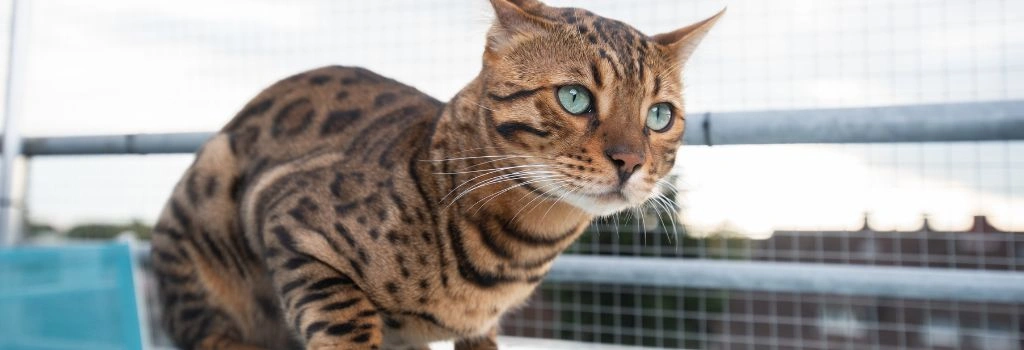
Absolutely! Your Bengal’s larger-than-life personality more than compensates for her little quirks. After all her adventures, climbs, and “conversations,” they love nothing more than to curl up next to you for some well-earned rest. They’re not just a pet; they’re family.
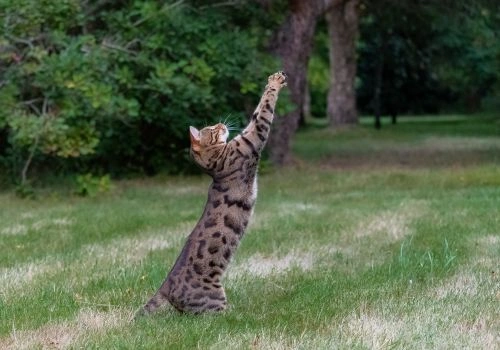
Curious about where this exotic-looking yet totally domestic diva came from? The Bengal breed is actually an American innovation. Imagine combining the wild, magnificent Asian Leopard cat with the down-to-earth, friendly American Shorthair. Voilà, you’ve got the Bengal—a cat that has the looks of a jungle feline but the temperament of your next-door tabby. But remember, early socialization is crucial with this breed, especially if you have other cats around. With their agile bodies and boundless energy, Bengals require both mental and physical stimulation. So, stock up on those toys and maybe even invest in a deluxe cat tree—they’ll thank you in their own special way!
So, whether you’re a veteran Bengal owner or considering adopting one, it’s clear that life with a Bengal is anything but ordinary. And we wouldn’t have it any other way.
Is your Bengal a champion leaper and pouncer? That’s all thanks to their stifle or knee joint. But sometimes, the kneecap decides to take a little detour, slipping to the side due to a poorly developed stifle. This condition is known as patellar luxation. Often, symptoms don’t show until the condition has advanced, and it may result in lameness as your cat ages. Catching it early—perhaps during the initial spay or neuter appointment with a simple X-ray—can save you and your feline friend a lot of future distress. Depending on the severity, treatment can range from arthritis medication to surgery.
More commonly seen in dogs, hip dysplasia is also a Bengal problem. This genetic condition can cause malformed hip joints, leading to arthritis. While signs may be subtle at first, affected cats may begin to act like they’ve aged overnight, slowing down significantly. Diagnosing this early is crucial, so get that pelvic X-ray during your kitten’s spay or neuter appointment. Treatments can range from medication to surgical restructuring of the pelvis.
Pyruvate Kinase Deficiency (PKD) is a silent crisis happening at the cellular level. This inherited disease diminishes an essential enzyme, leading to a form of anemia. While symptoms might not be obvious, a genetic test can identify if your Bengal is affected, a carrier, or non-carrier. Early detection is always better.
Feline Infectious Peritonitis (FIP) is as ominous as it sounds. While all cats can carry the dormant virus, Bengals are more susceptible to the active, fatal form. Diagnosis is tricky, and once FIP takes hold in a community of cats, it’s difficult to eliminate. Ask your breeder about any history of FIP before bringing your kitten home.
Just like humans, cats have different blood types. While most domestic cats are Type A, Bengals can be Type B or even AB. Knowing your cat’s blood type can be a lifesaver in emergencies requiring a blood transfusion. Consider adding this test to your cat’s routine wellness check.
NI is a heart-wrenching immune reaction that occurs when a newborn kitten with one blood type nurses from a mother with a different blood type. The kitten’s own antibodies turn against its red blood cells, usually resulting in death shortly after birth. If you’re thinking of breeding your Bengal, consult your vet about this risk.
Progressive Retinal Atrophy (PRA) is a genetic condition causing vision loss and eventual blindness. Signs usually appear when your Bengal is around 18 months to 2 years old. Sadly, there is no treatment, but a genetic test can identify carriers among breeding cats.
If you have questions and you’d like to reach out to us, you can call us directly at (561) 786-1100, or you can email us at customerservice@cvcboca.com. Don’t forget to follow us on social media Facebook, Instagram.