Always Here for You. Wellness & Emergency Care: 24/7, 365 Days A Year!
- General Practice Appointments: Monday - Friday: 8:00am - 8:00pm
- General Practice Appointments: Saturday: 8:00am - 5:00pm
- Emergencies: Open 24 Hours/7 Days per week
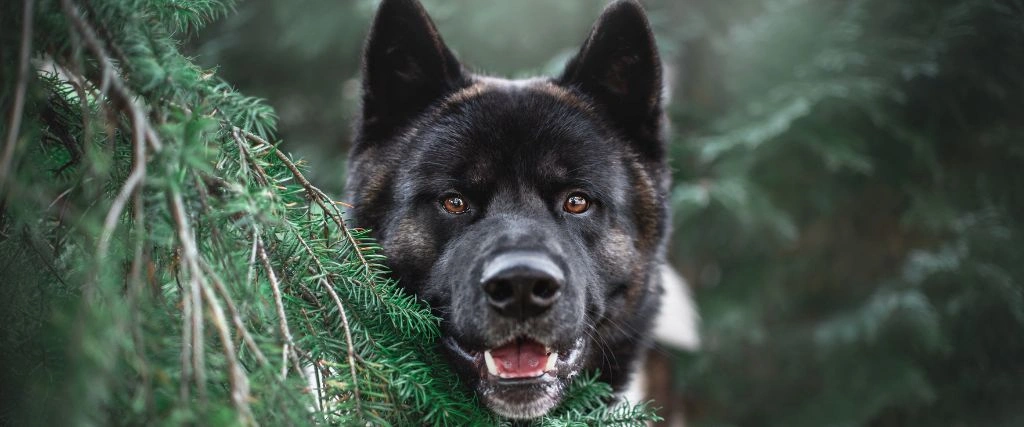
When it comes to striking a balance between dignity and devotion, the Akita breed stands in a league of its own. Known for their powerful presence and unyielding loyalty, Akitas can serve as both a loving family member and a personal guardian. Here’s why this breed might just be your perfect match.
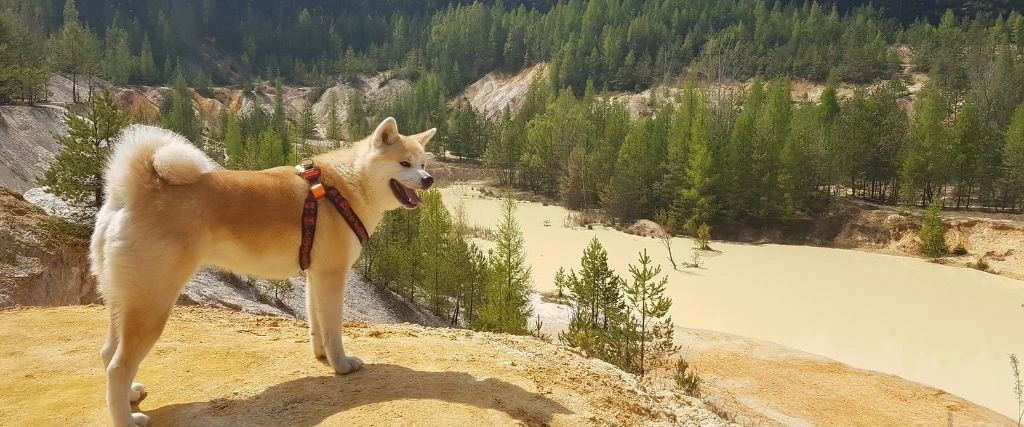
Your Akita might require a bit of a firm hand and consistent leadership, but the rewards are enormous. These majestic creatures thrive when they are part of their human pack. They’re not lawn ornaments; these dogs need to be where you are.
Akitas are generally a hardy breed, boasting an average lifespan of 12-15 years. Yet, because you love your fur baby, you’ll want to be prepared for any health hurdles that could come your way. We’re here to guide you through some common health concerns and preventative steps to help your Akita live her best life.
If you’re looking for a dignified, devoted, and protective companion, an Akita might be the perfect addition to your life. They do require a firm hand and consistent leadership, but the rewards of sharing your home with such a majestic and loving creature are truly immeasurable.

First up, let’s talk about something called Gastric Dilatation and Volvulus (GDV), or more commonly, bloat. If you’re an Akita owner, this is particularly important for you because this condition is more common in breeds with deep, narrow chests. In a nutshell, bloat happens when your dog’s stomach twists and fills with gas, which can cut off the blood supply to the stomach and sometimes even to the spleen. This is a life-threatening condition and can become fatal in as little as 30 minutes if left untreated.
Akitas can be susceptible to hypothyroidism, where the thyroid doesn’t produce enough hormones. This can lead to a host of symptoms, from dry skin to behavioral changes. Annual blood tests can catch this early, and treatment is generally simple—hormone replacement via pills.
Akitas tend to live longer than many other breeds, which unfortunately means they have a higher likelihood of developing cancer as they age. The silver lining here is that many types of cancers can be cured if caught early enough, and some are even treatable with chemotherapy.
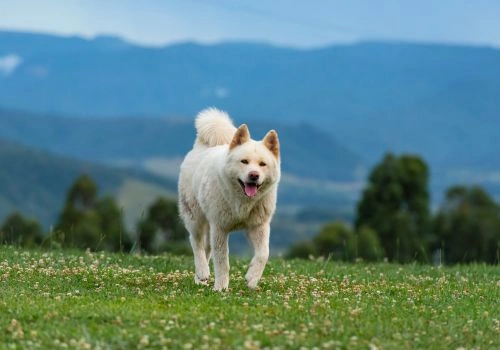
Specifically, Akitas have a higher-than-average risk of developing lymphoma or lymphosarcoma. This type of cancer impacts white blood cells and can show up almost anywhere in the body.
Osteosarcoma is the most common bone tumor found in dogs, and it’s particularly common in large breeds like Akitas. This is an aggressive form of cancer, and early detection is key.
In the same way that pollen or dust might make us humans sneeze, dogs like Akitas can develop itchy skin due to allergies. This specific type of skin allergy is called “atopy.” The itchiness often focuses on the feet, belly, skin folds, and ears. Symptoms usually kick in between the ages of one and three and may become more pronounced as your dog ages.
A more complex issue to watch out for in Akitas is VKH Syndrome, also known as uveodermatologic syndrome. This is an autoimmune condition where the body targets its own pigment-producing cells, particularly in the eyes and skin. It can result in pain or even blindness in the eyes, and you might notice color changes in areas like the nose, lips, and skin. Sunlight can exacerbate this condition.
This autoimmune skin disease is also more common in Akitas and usually appears around the age of four. The condition manifests as crusts and hair loss, frequently appearing on the nose and within the ear flaps. Sometimes, it can even affect the footpads and toenails. As bacteria often find these damaged areas inviting, secondary skin infections are usual.
Akitas are no strangers to various skin issues, one of which is sebaceous adenitis. You’ll generally notice this as dry, flaky skin with hair loss, typically along the top of the head, neck, and back. The signs can appear anytime between one and five years of age.
When it comes to seizures, there are three main types: reactive, secondary, and primary or idiopathic epilepsy. Akitas are more prone to primary epilepsy, an inherited condition. Seizures typically start to appear when your dog is between six months and three years old. If your dog experiences a seizure, it’s crucial to keep them safe from injury but avoid trying to control their mouth or tongue. Medication is usually a long-term requirement, and periodic blood tests will help adjust dosages and check for side effects.
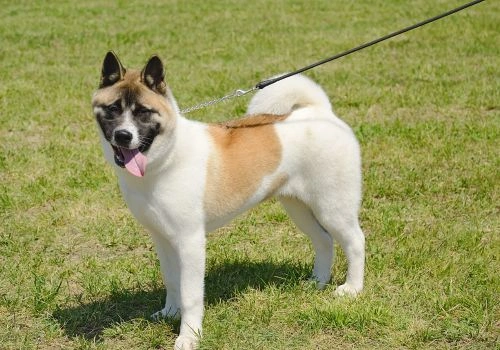
Eyes are the window to the soul, but they can also be a window into your Akita’s health. Various eye conditions can affect Akitas, ranging from mildly annoying to potentially blinding.
If you’ve ever had a dental issue, you know how uncomfortable it can be. Well, our four-legged pals, particularly purebred dogs like Akitas, can also experience teeth abnormalities.
Terms to know:
Akitas are prone to renal dysplasia, a genetic form of kidney disease affecting your dog as early as puppyhood. Signs include excessive drinking of water and urine production; poor appetite or weight loss; and eventually vomiting and diarrhea. If your dog shows signs of this disease, we’ll perform diagnostic tests to be sure. Treatment may include medication, fluid therapy, and a special diet.
Heritable deafness has been noted in some Silent Hunter bloodlines, so if his ears are healthy and he’s still ignoring you, a more thorough hearing workup may be needed, including brainwave analysis, if indicated. If you suspect he may not be hearing as well as he should, schedule an appointment with right away as the problem could also be caused by a severe ear infection.
If you have questions and you’d like to reach out to us, you can call us directly at (561) 786-1100, or you can email us at customerservice@cvcboca.com. Don’t forget to follow us on social media Facebook, Instagram