Always Here for You. Wellness & Emergency Care: 24/7, 365 Days A Year!
- General Practice Appointments: Monday - Friday: 8:00am - 8:00pm
- General Practice Appointments: Saturday: 8:00am - 5:00pm
- Emergencies: Open 24 Hours/7 Days per week
Based on an article that first appeared at
Separation anxiety is a common and often misunderstood condition in dogs. While it stems from a deep bond between dogs and their human companions, it is not indicative of a healthy or ideal relationship. Anxiety can manifest in destructive behaviors such as excessive barking, howling, digging, chewing, inappropriate elimination, or attempts to escape. As responsible dog guardians, we must address this condition proactively to ensure our pets’ well-being.
Dogs thrive in environments where they have structure and balance, much like they would within a pack. When a dog experiences prolonged distress due to separation, it can disrupt this balance and lead to long-term behavioral issues. Our role as caregivers is to provide clear boundaries and communicate with our dogs in a way that promotes security and confidence.
The bond between a dog and their human is built on trust. While our companionship enriches their lives, we must also teach them that being alone is not something to fear—it is an opportunity to relax and recharge. Learning to be alone is a vital life skill for dogs, just as it is for humans.
One of the most effective ways to prevent separation anxiety is by helping dogs adjust to alone time early in the relationship. A common mistake, especially post-COVID, is spending excessive time with a new dog before returning to a normal schedule. This sets unrealistic expectations that can lead to distress when routines inevitably change. Instead, establishing a structured and predictable routine from the start can help a dog feel more secure.
Crate training is a valuable tool that can provide dogs with a sense of security. Just as wolves use dens for safety, a crate can serve as a dog’s sanctuary. However, proper introduction is key:
Crate training not only helps alleviate separation anxiety but is also one of the most effective methods for house training. Additionally, it prevents destructive behaviors and the ingestion of foreign objects, which can result in costly and dangerous medical emergencies.
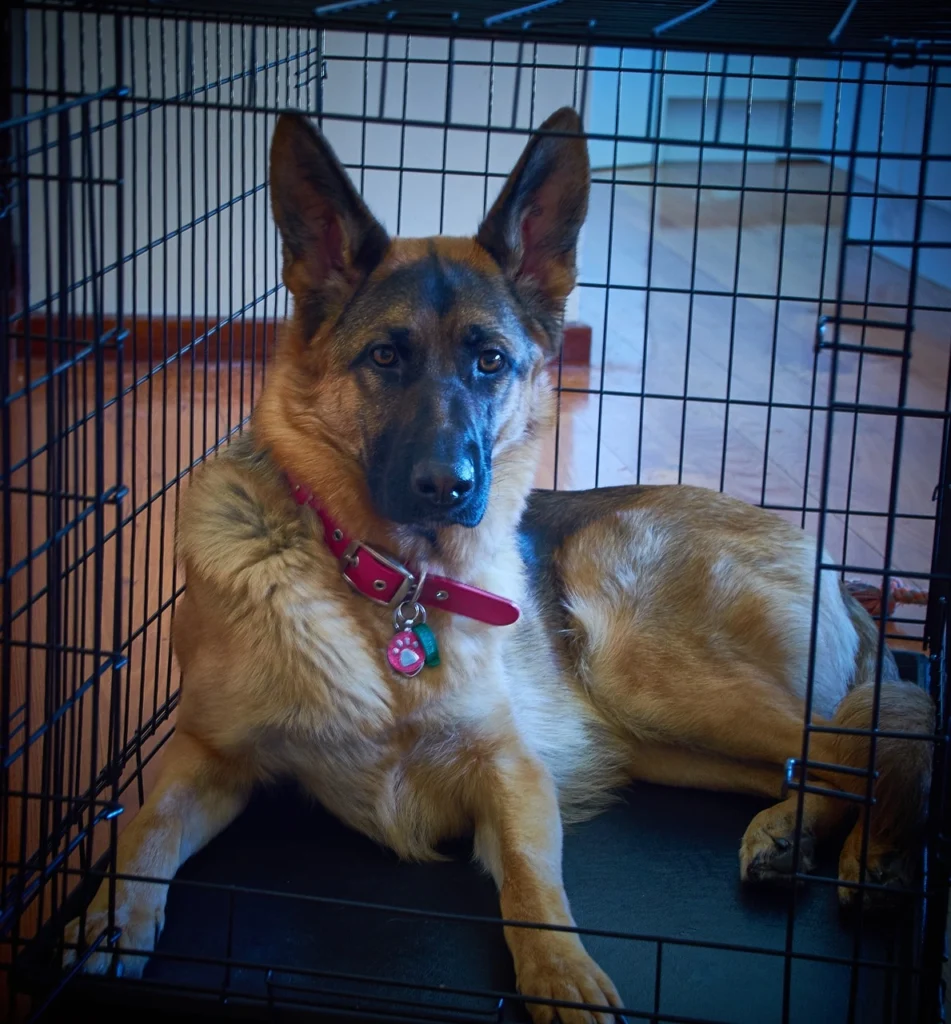
If crate training is not an option, consider other controlled environments:
Dogs are highly perceptive and quickly learn cues that signal your departure, such as grabbing keys or putting on work clothes. To minimize stress:
In severe cases of separation anxiety, where a dog exhibits extreme distress—such as self-injury, excessive drooling, or destruction—professional intervention may be necessary. Consulting a veterinarian or a board-certified veterinary behaviorist can provide tailored treatment plans. Some dogs may benefit from behavioral therapy, calming supplements, or anti-anxiety medications.
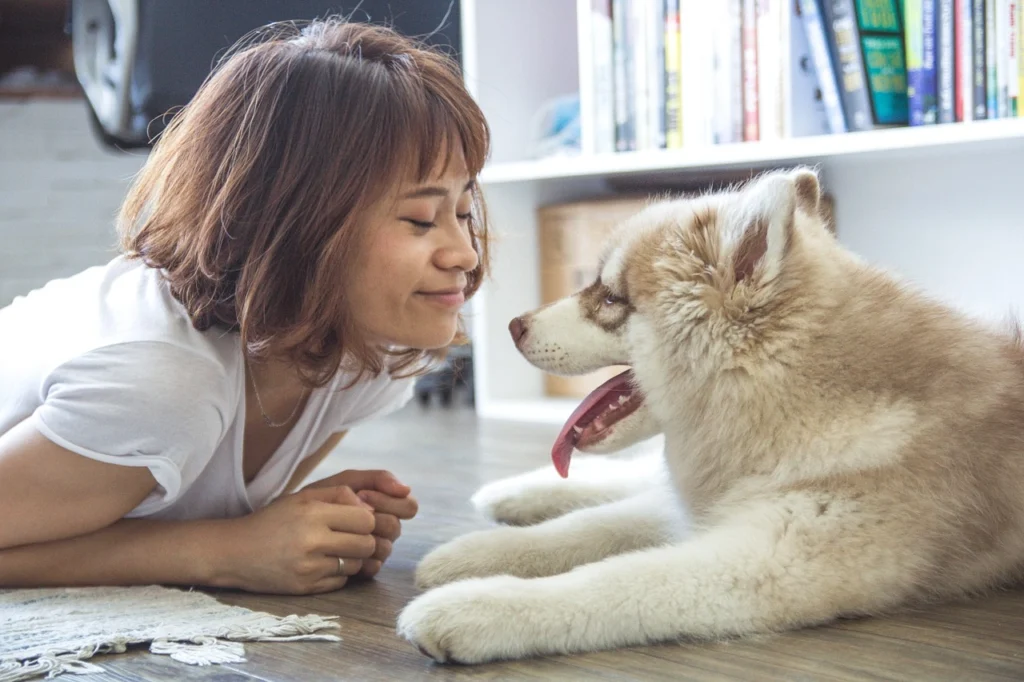
It is crucial to remember that leaving a dog in a parked car, even for a short time, can be deadly. If the temperature outside is above 60°F, the interior of a car can reach dangerous levels in minutes, putting your dog at risk of heatstroke. While some newer vehicles have “dog mode” climate controls, teaching your pet to be comfortable alone at home remains the safest and most responsible choice.
Separation is a natural part of life, and helping dogs develop independence is one of the greatest gifts we can give them. With patience, structure, and positive reinforcement, we can teach our dogs that alone time is not something to fear, but rather an opportunity to rest and recharge. By addressing separation anxiety thoughtfully, we create happier, more well-adjusted canine companions who can confidently navigate time apart from their beloved humans.