Always Here for You. Wellness & Emergency Care: 24/7, 365 Days A Year!
- General Practice Appointments: Monday - Friday: 8:00am - 8:00pm
- General Practice Appointments: Saturday: 8:00am - 5:00pm
- Emergencies: Open 24 Hours/7 Days per week
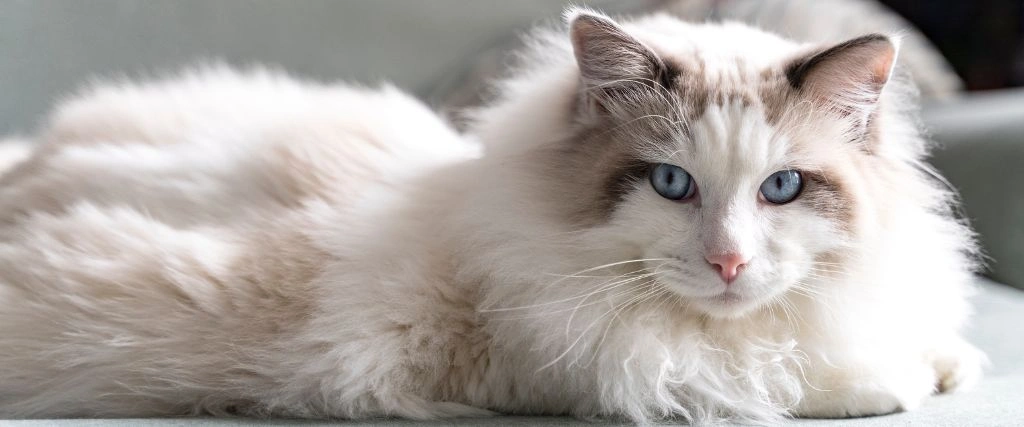
So, you’ve got a Ragdoll at home, and let me guess—they are more than just a cat to you. They are your confidant, your mood-ometer, and your furry ball of joy that melts your heart with every purr. Ah, the joys of having a Ragdoll, sometimes affectionately known as “Dolls,” are endless, aren’t they?
While Ragdolls come close, they’re not flawless. For one, that gorgeous, flowing coat of theirs? Yeah, it demands some quality time with a brush, often multiple times a week. And let’s talk about their love for food. These feline gourmands can pack on the pounds if we’re not careful with exercise and portion control.
Absolutely! Each stroke of the brush, each interactive play session—it all adds up to a loving relationship with a cat who’s full of personality. Their affable nature makes them wonderful companions for the whole family.
Curious about where these cuddly creatures originated? Roll back the clock to the 1960s, and you’ll find a dedicated breeder in California. This breeder was on a mission to create a feline that was not only stunning but also exceptionally docile and friendly. Fast forward to today, and voilà, we have the Ragdoll breed.
And let’s not forget their enchanting coats, available in six dreamy shades: seal, blue, chocolate, lilac, red, and cream. Each one is more mesmerizing than the last.
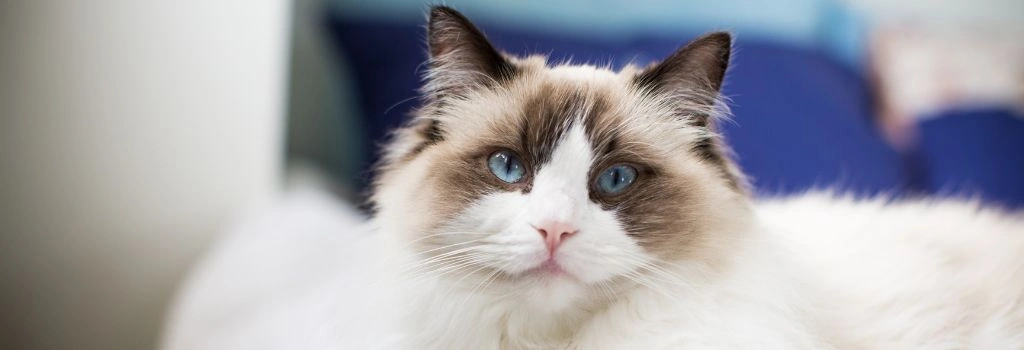
Interestingly, unlike many other feline breeds that enjoy high vantage points like shelves or trees, Ragdolls prefer keeping all four paws on the ground. They’re among the largest cat breeds but they’re not really into heights, which makes them quite unique in the feline world.
So, for those who own a Ragdoll, you’re in on the secret—they’re a delightful, down-to-earth breed that brings endless joy and tranquility to any home. Cheers to many more years of furry cuddles and loving purrs!
Okay, let’s talk about cardiomyopathy, which is essentially heart muscle disease. There’s Hypertrophic Cardiomyopathy (HCM), where the heart muscle thickens due to an overactive thyroid, and dilated cardiomyopathy (DCM), often linked to dietary deficiencies. Good news: DCM is now rare because cat food brands have stepped up their game by adding taurine.
Blood clots, also known as FATE (feline aortic thromboembolism), are a scary but possible outcome for cats with heart disease. Imagine this: a clot gets stuck just beyond the heart, leading to paralysis or extreme pain in the hind legs. This is no joke and requires immediate medical care. Fortunately, many cats who survive these episodes regain full limb function.
Did you know that Ragdolls often have different blood types than other cats? Yep, and if disaster strikes, having a quick blood transfusion can be a lifesaver. Knowing your cat’s blood type in advance can save precious time, so consider getting that test done at a regular wellness exam.
This one is critical for breeders. Neonatal isoerythrolysis is a severe condition that can occur in kittens born to mothers with incompatible blood types. This can lead to the kitten’s body attacking its own red blood cells. Make sure to consult your veterinarian if you’re considering bringing more Ragdoll kittens into the world.
Pyruvate Kinase Deficiency (PKD) is another genetic condition that Ragdolls can inherit. This disorder can take years to show symptoms, which may include weight loss and vomiting. Though there’s no cure, early diagnosis can help manage the condition for a longer, happier life.
Any lump on your cat should trigger a vet visit. Mast cell tumors, a type of skin cancer, can appear similar to harmless skin bumps. Timely removal and testing can be the difference between life and death, so don’t hesitate to consult your veterinarian.
When your cat starts avoiding the litter box, it’s not necessarily a sign of bad behavior. Instead, it could be a symptom of Feline Lower Urinary Tract Diseases (FLUTD). Keep an eye out for any unusual urination habits and seek urgent veterinary care if symptoms arise. Regular urinalysis tests can also be a great proactive step!
Ragdolls are more susceptible to Feline Infectious Peritonitis (FIP), a fatal disease that’s difficult to screen for in advance. If you’re considering adopting a Ragdoll, ask the breeder about any FIP history in the cattery or family.
Cryptococcosis is caused by a yeast-like fungus and can be more common in Ragdolls and other susceptible breeds. Watch for symptoms like weight loss, lethargy, and sneezing with nasal discharge. If spotted early, most cases can be treated successfully.
If you have questions and you’d like to reach out to us, you can call us directly at (561) 786-1100, or you can email us at customerservice@cvcboca.com. Don’t forget to follow us on social media Facebook, Instagram.