Always Here for You. Wellness & Emergency Care: 24/7, 365 Days A Year!
- General Practice Appointments: Monday - Friday: 8:00am - 8:00pm
- General Practice Appointments: Saturday: 8:00am - 5:00pm
- Emergencies: Open 24 Hours/7 Days per week
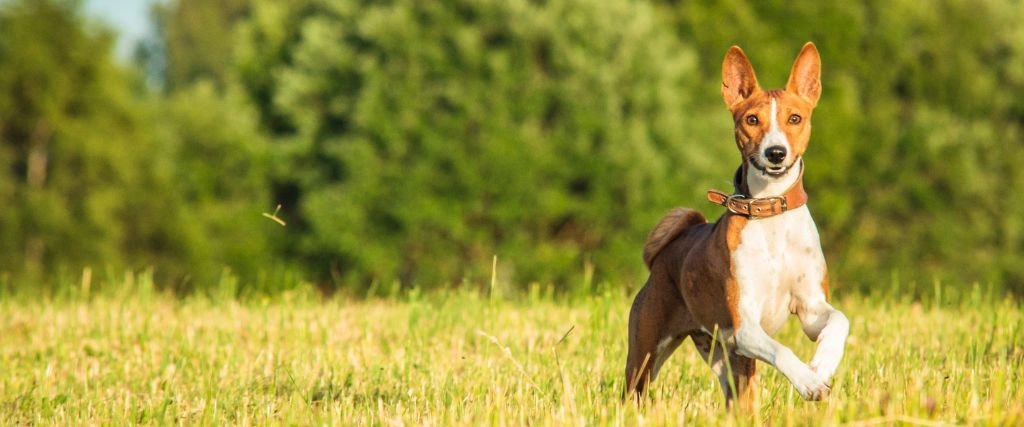
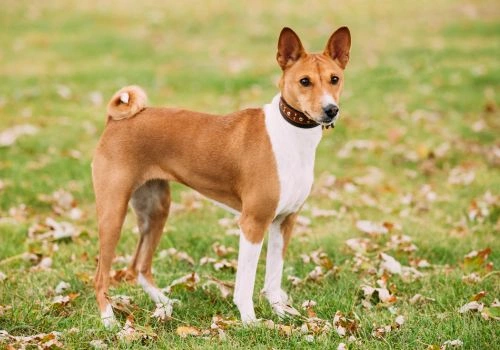
Ah, the Basenji! Known as the “African Barkless Dog,” these pups are not only unique but also incredibly endearing. Let’s dig into what makes these guys and gals special companions.
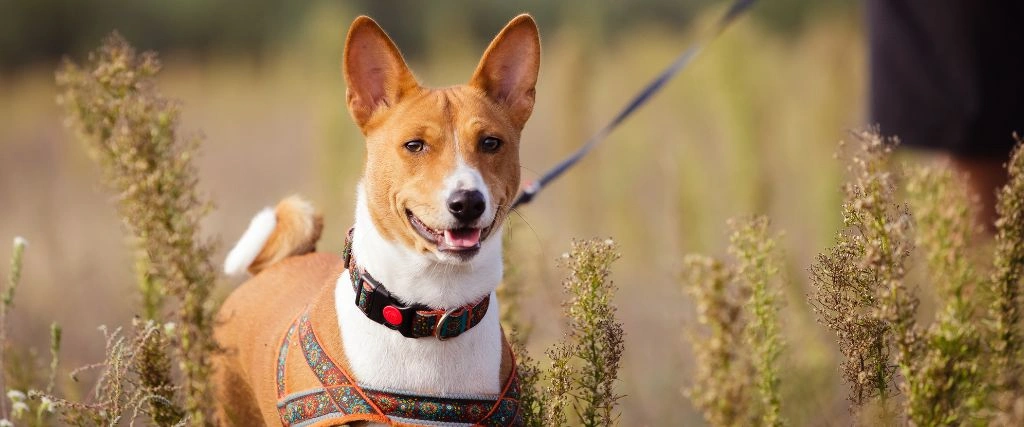
Absolutely! Who can resist those baroos or yodels that are unique to Basenjis? Not us! They may not bark, but they sure know how to vocalize their feelings. The Basenji is an ancient breed with roots that stretch all the way back to Africa. Once a prized rat-hunter and a treasured gift to Ancient Egyptian pharaohs, this breed has a rich history.
Your Basenji is pretty keen on cleanliness—maybe even cleaner than your teenager! They also have a preference for cozy, dry climates, so perhaps hold off on that wet weather walk.
Basenjis are known for their robust health, often enjoying a lifespan of 10-12 years. But like all breeds, they can be susceptible to certain conditions. That’s why regular vet visits are a must for early detection and prevention.
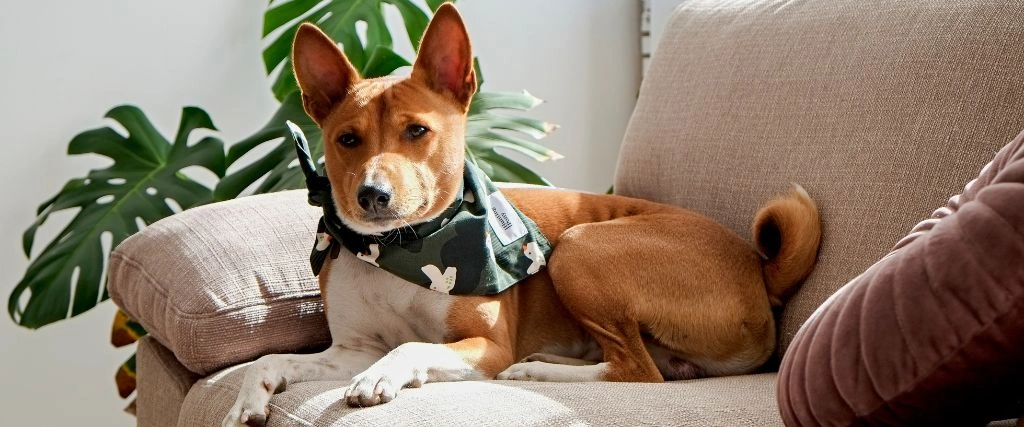
Basenjis have a knack for developing bladder stones or kidney stones. Regular urine tests can catch these early. Notice any blood in the urine or straining while urinating? Get to the vet ASAP!
Fanconi syndrome affects the kidneys and leads to vital nutrients leaking into the urine. Symptoms include excessive thirst, weight loss, and weakness. It usually appears between ages 2-6 and can vary in severity. Early detection via routine urine screening is vital.
If your Basenji starts limping or has difficulty standing up, it might be dysplasia—a genetic issue affecting the joints. Early intervention, potentially including surgery, can ease this condition.
Does your dog suddenly lift a back leg while running? This could be due to a luxating patella. Mild cases might just need arthritis medication, but severe instances could require surgery.
Basenjis are more prone to mite overgrowth, leading to dry, itchy patches. Catch it early to prevent complications. Some dogs outgrow it; others need lifelong care.
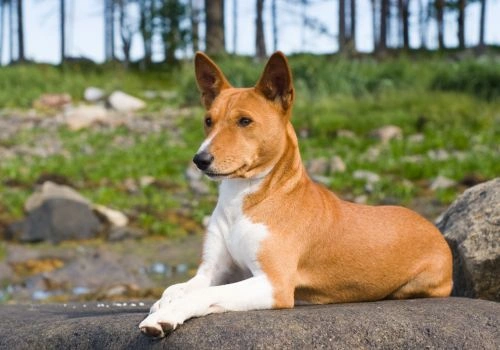
If your pup experiences frequent vomiting or diarrhea, it might be IBD—an immune disorder that affects nutrient absorption. It usually requires lifelong management with medication and special diets.
Basenjis are at a higher risk for seizures, which can start between six months and three years of age. Lifelong medication is generally necessary, and be cautious to avoid accidental bites during episodes.
Your Basenji might develop an umbilical hernia. In most cases, the bulge can be gently pushed back into place. However, if it gets stuck, immediate veterinary attention is needed.
Hypothyroidism, where the body lacks sufficient thyroid hormone, is a common issue. Symptoms include dry skin and behavioral changes. An annual blood test can catch this early, and treatment is usually straightforward.
In this condition, your Basenji might not produce enough digestive enzymes, causing malnutrition and greasy diarrhea. Lifelong enzyme supplementation is usually effective.
From progressive retinal atrophy (PRA) to corneal dystrophy, Basenjis can suffer from several eye conditions. Regular eye exams can help identify problems early. Blindness is often manageable, but some conditions might require surgery.
Pelger-Huet anomaly is a rare but non-life-threatening blood disorder that can occur. If you’re considering breeding, it’s crucial to screen for this defect.
This genetic disorder affects red blood cells, causing anemia and, sadly, a reduced lifespan. DNA tests can identify this issue in puppies or breeding dogs.
If you have questions and you’d like to reach out to us, you can call us directly at (561) 786-1100, or you can email us at customerservice@cvcboca.com. Don’t forget to follow us on social media Facebook, Instagram