Always Here for You. Wellness & Emergency Care: 24/7, 365 Days A Year!
- General Practice Appointments: Monday - Friday: 8:00am - 8:00pm
- General Practice Appointments: Saturday: 8:00am - 5:00pm
- Emergencies: Open 24 Hours/7 Days per week
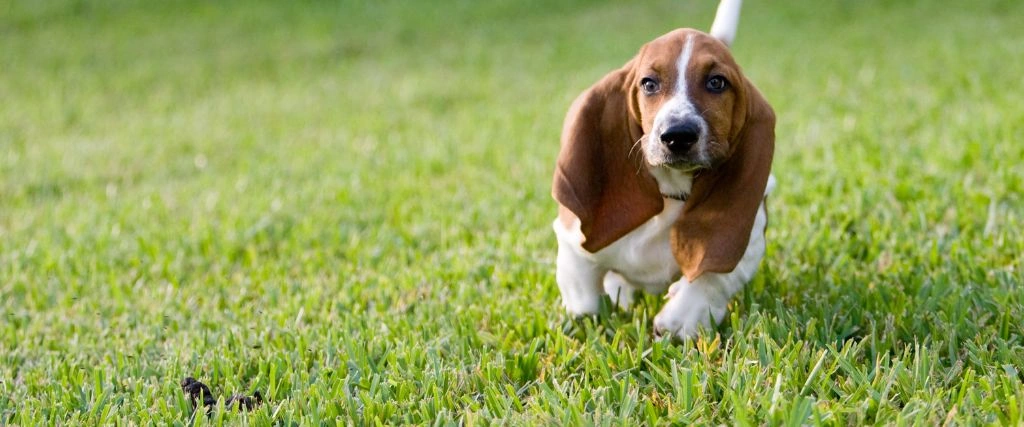
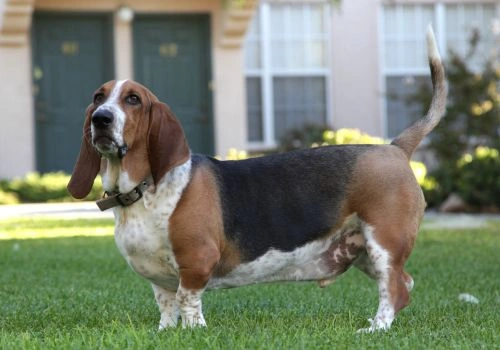
Basset Hounds. If you’ve got one, you already know why these floppy-eared darlings are so irresistible. And if you’re considering adding one to your family, well, you’re in for a treat! The Basset Hound isn’t just a dog; they are your go-to confidante, the embodiment of loyalty, and the giver of unconditional puppy love.
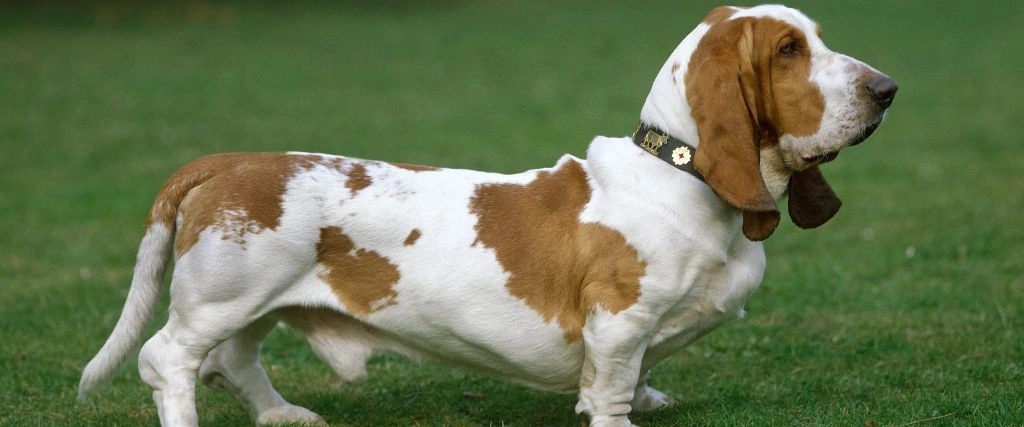
It’s all part of the package, and we wouldn’t have it any other way! Their quirks make them who they are, and we love them all the more for it. Your Basset Hound might dream of being a lap dog, but she’s already won over your heart.
Let’s not forget these adorable hounds have a storied past. Originating in 16th-century France, they were bred as scent hounds designed to track rabbits. Even their name, Basset, comes from the French word “bas,” meaning low—fitting for their short, sturdy legs. But don’t let those legs fool you. They’ve got a nose that can pick up any scent and the enthusiasm to chase it down.
Lucky for us, Basset Hounds tend to be quite healthy and often grace us with their loving presence for about 12 years. That’s over a decade of droopy-eyed cuddles, tail-wagging joy, and yes, even the occasional room-clearing toots. Whether they’re your first dog or your fifth, a Basset Hound adds a special blend of joy and quirkiness to your life that you just can’t find anywhere else.
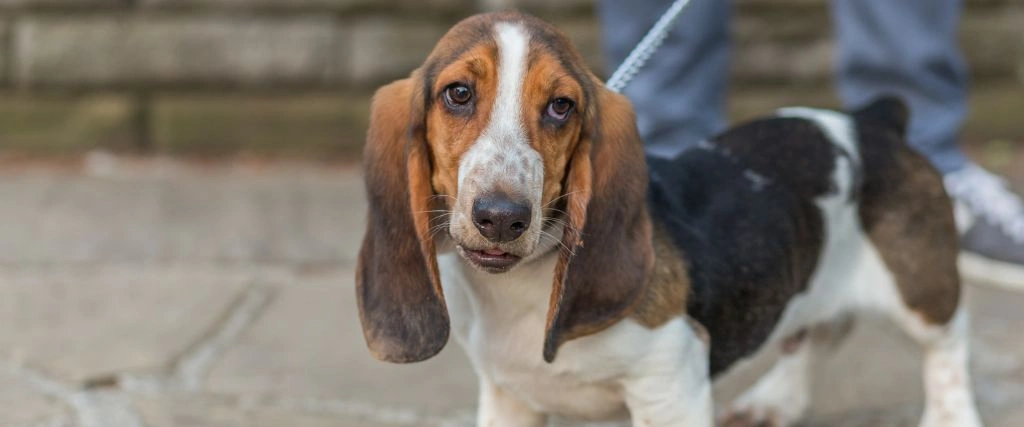
Basset Hound puppies are adorable, but they have specific needs to ensure their joints develop properly. One issue to look out for is osteochondritis dissecans (OCD), a condition that can occur if a Basset puppy grows too rapidly. In this case, the cartilage in their joints may not bond well with the bones, leading to potential problems that might require surgery. So, how can you avoid this? Aim for a growth rate of no more than four pounds per week. To maintain this healthy pace, opt for a large-breed puppy diet and avoid overfeeding or supplementing with extra calcium. Regular weigh-ins every three to four weeks can also help you keep track of your puppy’s growth.
Those deep, narrow chests on Basset Hounds might look distinctive, but they make these dogs more susceptible to a condition called Gastric Dilatation and Volvulus (GDV), or bloat. This serious issue occurs when the stomach twists and fills with gas, affecting the blood supply to vital organs. If you see signs like retching without vomiting, restlessness, or a “prayer position,” it’s a vet emergency that could be fatal within 30 minutes. Preventative surgery is available, which can secure the stomach and reduce the risk of twisting.
Eyes are not just the windows to the soul; they’re vital for your Basset’s well-being. Look out for signs of Glaucoma, such as squinting or redness, which require immediate attention. Cataracts can make eyes appear cloudy but are often manageable, and younger Bassets may suffer from cherry eye, recognizable by a red blob in the eye’s corner. Treatment options vary from ointments to surgery.
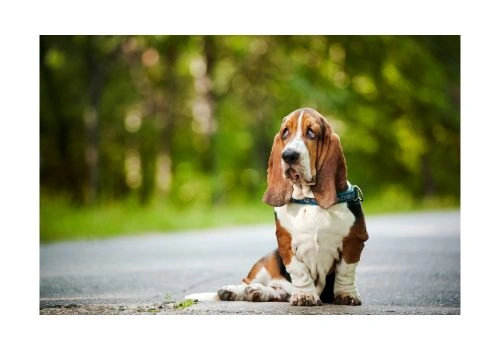
If your Basset seems unsteady or stumbles often, it might be suffering from “Wobbler Disease,” a neurological issue affecting the spine. Consulting a vet for diagnosis and treatment is crucial, and options may include medications or surgery to alleviate symptoms.
Dialated Cardiomyopathy (DCM) is a heart condition more common in Bassets. Signs include fatigue, difficulty breathing, or coughing. Yearly screenings can catch this early, and medications can help manage the condition effectively.
Bassets are particularly at risk for Addison’s Disease, where the adrenal glands produce insufficient hormones. While the symptoms can be vague, early detection through regular vet exams and specialized blood tests is crucial.
Von Willebrand’s disease, a condition affecting the blood’s ability to clot, is commonly found in Bassets. It’s essential to diagnose this before any surgical procedures.
Intervertebral Disc Disease (IVDD) can be an issue in long-backed, short-legged dogs like Bassets. If jumping or stair-climbing becomes an issue, or if your dog appears hunched, seek veterinary care. Treatments range from rest and medication to surgery in severe cases.
Notice your Basset hopping occasionally? That could be patellar luxation, a kneecap issue. Medication or surgery can help, depending on the severity. Similarly, keep an eye on potential hip and elbow dysplasia, which can be caught early through X-rays.
Young Bassets between 6 to 10 months might experience leg bone pain due to eosinophilic panosteitis. While uncomfortable, medication can manage symptoms, and it’s usually not a long-term concern.
Spinal issues like hemivertebrae can be more common in Bassets. Early X-rays can prepare you for potential treatment, which might involve medication or even rehabilitation.
Hemangiosarcoma is a more common bleeding tumor in Bassets. Regular check-ups, including blood tests and ultrasounds, can help catch this serious issue early.
If you notice your Basset struggling to urinate or spotting blood, don’t wait—call your vet immediately, as it might indicate bladder stones or kidney stones.
Itchy skin, especially around the feet, belly, and ears, could mean your Basset is dealing with allergies. There’s a variety of treatments available to alleviate discomfort.
Lastly, keep an eye out for lip-fold pyoderma, a skin infection that affects the moist skin folds along the jaw. Regular check-ups can catch this early, and treatment might include antibiotics or minor surgery.
If you have questions and you’d like to reach out to us, you can call us directly at (561) 786-1100, or you can email us at customerservice@cvcboca.com. Don’t forget to follow us on social media Facebook, Instagram.