Always Here for You. Wellness & Emergency Care: 24/7, 365 Days A Year!
- General Practice Appointments: Monday - Friday: 8:00am - 8:00pm
- General Practice Appointments: Saturday: 8:00am - 5:00pm
- Emergencies: Open 24 Hours/7 Days per week
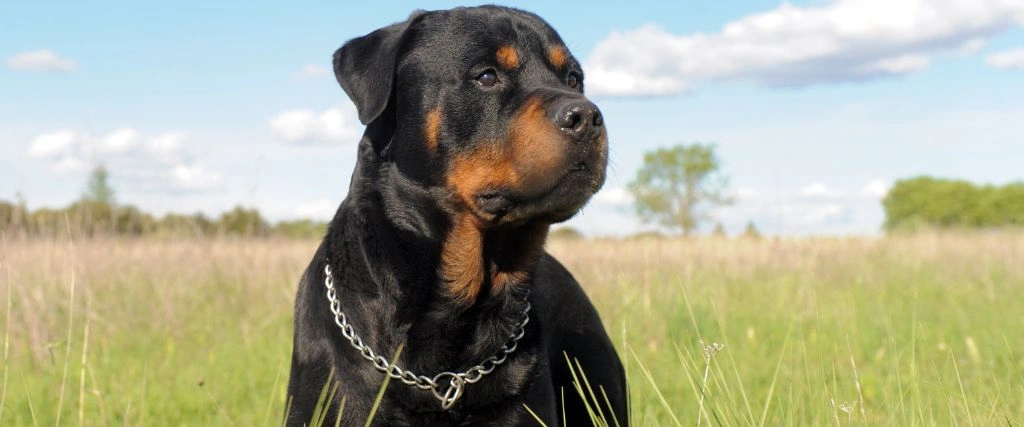
If you’re a proud parent to a Rotweiler, or “Rottie” as they are lovingly called, then you know you’ve got something special. These fur-babies aren’t just our best friends—they’re confidantes, work partners, and sources of never-ending affection. And hey, if you chose a Rottie, you probably had some specific characteristics in mind that would harmonize with your way of life, right?
First off, these majestic dogs are multitaskers! They fit snugly into different roles, be it a family companion, a dedicated worker, or the best guard dog you could ever ask for. They exude confidence, they’re fearless, and they carry themselves with a steady demeanor.
Rotties are also blessed with an even temperament and a gentle disposition, making them easy to get along with. Their size and athleticism are noteworthy; they’re large, muscular, and have oodles of stamina, especially in cooler climates. The protective instinct they have for their owners is second to none, making them excellent watch dogs. And when it comes to training? You’re in luck! These pups are smart cookies and quick learners.

Sure, every rose has its thorns, and Rottweilers are no exception. For instance, without proper socialization during their puppy days, they can develop aggressive tendencies as they mature. These strong-willed canines need regular exercise and a well-balanced diet to fend off unwanted weight gain. They can also become easily distracted or bored if not kept engaged. Oh, and let’s not forget—they mature at their own sweet pace, and can be a bit sensitive.
In social settings, your Rottie might be a bit territorial, especially around other big dogs. And if those other dogs happen to be of the same sex? Let’s just say things could get tense.
Absolutely! Owning a Rottweiler is like having a rugged gem that shines brighter with a little polishing. They are full of personality and thrive when they have a “job” or lots of exercise to focus on.
The fascinating origins of Rottweilers trace back to ancient Rome. That’s right! Romans took these dogs to Germany around 74 AD, where they served as cattle herders by day and vigilant guards by night. Interestingly, they almost disappeared from existence when cattle herding was outlawed, but they bounced back as draught dogs assisting butchers. Their strong and loyal characteristics were so admired that a breed club was established in the early 1900s to preserve their lineage.
Rottweilers are generally a healthy breed with an average lifespan of 12 years. So, with proper care, love, and socialization, a Rottie will reward you with a lifetime of loyalty and companionship. Trust us; this breed is one you’ll cherish forever!
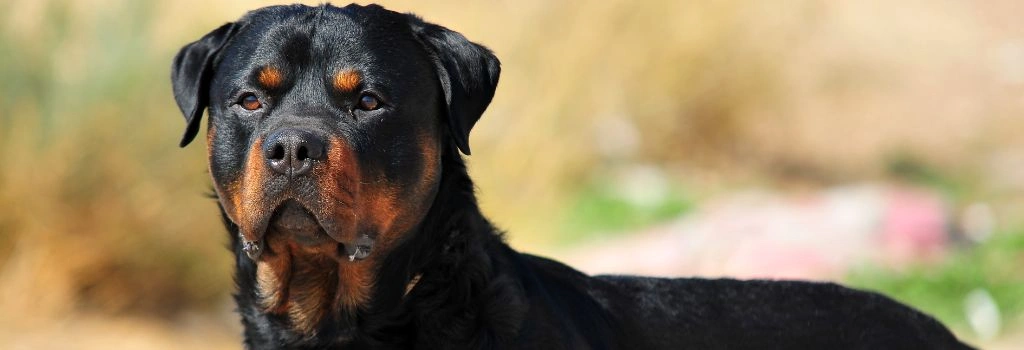
Oh boy, let’s dive into a topic that every Rottweiler parent needs to be on high alert for: bloat, officially known as Gastric Dilatation and Volvulus (GDV). Imagine this: your Rott’s stomach twists on itself like a balloon animal, filling with gas. This can be fatal, and fast—sometimes in just 30 minutes. Your Rottie might act restless, attempt to vomit with little to no result, or even assume a “prayer position” with their front feet down and rear end up. If you notice these symptoms, hit the emergency pet hospital like you’re running a NASCAR final lap. There’s also a preventive surgery where the stomach is tacked down to prevent it from twisting. It’s especially critical for breeds like Rottweilers who are more predisposed to this condition. When it comes to GDV, every minute counts!
Taking care of a Rottweiler is like caring for a small tank; they’re sturdy but not invincible. They can face a range of musculoskeletal issues, but don’t fret—we can tackle each with timely diagnosis and treatment. First off, arthritis is a common senior dog ailment, and Rotties, with their big frames, can have it rough. Starting treatments early, combined with good nutrition and proper exercise, can ease their golden years considerably. Overweight dogs? They’re more prone to arthritis, so keep an eye on that diet!
Active dogs often risk a cruciate tear, which is one of the bands that hold the knee in place. Rotties are no exception. This usually requires surgery and a whole lot of cuddles—err, I mean, physical therapy. A balanced diet and avoiding knee-twisting activities (like airborne Frisbee catches) can lower the risk.
When your Rottie pup grows too quickly, it can lead to osteochondritis dissecans (OCD). No, not the obsessive-compulsive kind, but it’s still serious. The cartilage in their joints might not adhere to the bone properly, requiring surgery. Stick to feeding a large-breed puppy diet and aim for no more than four pounds of growth per week. Remember, slow and steady wins the race!
Both hips and elbows in Rottweilers are susceptible to dysplasia, an inherited issue that can make joints develop improperly and result in arthritis. You might notice your Rottie limping or struggling to get up after lying down. Early treatment is essential for minimizing discomfort, and that usually starts with some diagnostic X-rays. Sometimes surgery is the best option, especially in severe cases. Again, maintaining a healthy weight can be a lifesaver, helping to prevent or delay these issues.

If you’ve ever noticed your Rottweiler exhibiting symptoms like seizures, imbalance, or even excess sleeping, you might want to pay close attention. These could be signs of neurological issues, and an immediate vet visit is non-negotiable. One condition you’ll want to familiarize yourself with is wobbler disease. Your dog might start showing signs of unstable hind legs, stumbling, or even falling. This is because of a spinal issue affecting nerve signaling. Various treatments like medications, neck braces, and even surgery can help manage the condition. So, don’t forget, a trip to the vet can literally be a life-saver!
Osteosarcoma is a big word and an even bigger concern, particularly for Rottweilers. If your Rottie starts limping or showing signs of leg pain, this is a call to action. Osteosarcoma is a fast-acting, painful tumor, and the sooner it’s detected, the better the outcome. So, don’t hit the snooze button on this one!
Lymphoma is more common in Rotties than in other breeds, and its treatment, while effective, is a long-term commitment. While the success rate with chemotherapy is excellent, the treatment can be expensive. Routine blood tests might help in early detection. Be on the lookout for signs like swollen glands, weight loss, or labored breathing in your furry friend.
As your Rottweiler ages, they might develop cataracts, leading to a cloudy appearance in their eyes. While many dogs adapt to vision loss, surgery is also an option to restore sight. Another condition to be aware of is entropion, where the eyelid rolls inward, causing extreme discomfort and potential blindness. Early surgical intervention can be a game-changer here.
Addison’s Disease, or hypoadrenocorticism, is an endocrine disorder that could silently creep up on your Rottweiler. This condition mimics symptoms of other diseases, making it particularly sneaky. Regular veterinary checks and blood tests are crucial for early diagnosis and effective treatment.
Parvo is notorious for targeting younger puppies and leading to severe illness. While vaccines are available, Rottweilers are known to have a weaker and later vaccine response. Extra vaccine boosters are strongly recommended to help build up immunity against this deadly virus.
Rotties can suffer from a heart defect known as Subaortic Stenosis, where the aorta narrows, overworking the heart. The result can be a sudden, tragic heart failure. Regular check-ups, including echocardiograms, can help diagnose and manage this condition before it becomes fatal.
Rottweilers are prone to blood clotting disorders like Von Willebrand’s disease, which can pose serious risks during surgeries or injuries. Pre-emptive testing can help manage these risks effectively.
Symptoms like chronic vomiting or diarrhea can signify Inflammatory Bowel Disease (IBD), an immune system disorder. Diagnosis often requires intestinal biopsies, and treatment typically involves lifetime medication and dietary adjustments.

In Rottweilers, allergies usually manifest as itchy skin rather than sneezing. This condition, known as atopy, often requires ongoing treatment to manage symptoms, which can include frequent ear infections and paw licking.
Demodex mites exist on all dogs, but Rottweilers can sometimes experience an overabundance of these mites, leading to skin issues. The good news? Many pets seem to outgrow the problem, although some may require lifelong management.
Glomerulonephropathy is an inherited condition affecting Rottweilers’ kidneys, often at an early age. Regular urine analysis can aid in early detection, and dietary adjustments can be part of the treatment plan.
If you have questions and you’d like to reach out to us, you can call us directly at (561) 786-1100, or you can email us at customerservice@cvcboca.com . Don’t forget to follow us on social media Facebook, Instagram.